
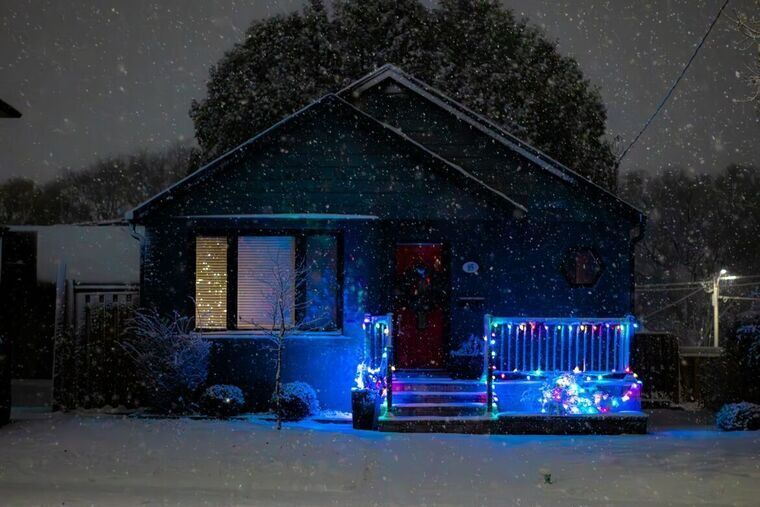
The weekend after Thanksgiving is when ladders come out all over Indian Trail, Monroe, and Stallings, and the Christmas lights go up. We love seeing the neighborhoods lit up as much as anyone — but decorating season sends people to the emergency room and starts house fires every single year, and nearly all of it is preventable.
If you put up a real tree, water is the whole ballgame. A fresh-cut tree that gets watered daily stays moist and is hard to ignite. A dry tree can go up in seconds. Check the water level every day, keep the tree at least three feet from fireplaces, space heaters, and heating vents, and when the needles start dropping and the branches feel brittle, the tree's season is over — take it out. If you use an artificial tree, look for one labeled fire-resistant, and never put electric lights on a metal tree.
Respect the outlets. Holiday lights are the classic way to overload a circuit. Follow the maker's limit on how many strands can be connected together — for most, that's three — and don't run extension cords under rugs or through doorways where they get pinched and walked on. Use outdoor-rated lights and cords outside, plug exterior lights into a ground-fault (GFCI) outlet, and turn everything off when you go to bed or leave the house. A simple timer makes that part easy.
Candles deserve a second thought. December is the peak month for candle fires. Keep candles at least a foot from anything that can burn — curtains, greenery, wrapping paper — and never leave one burning in a room you're not in. Set them where kids and pets can't knock them over, and consider the flameless kind for mantels and centerpieces. They look the part these days and take the risk off the table entirely.
Take the ladder seriously. Most decorating injuries aren't fires at all — they're falls. Set the ladder on flat, firm ground, keep three points of contact while you climb, and don't lean out to reach that last hook; climb down and move the ladder instead. Hang lights on a dry day, wear shoes with grip, and if the roofline work feels sketchy, that's your answer — clips that attach from the ground, or a local handyman, cost a lot less than a fall.
And if the worst happens anyway? A fire that starts with a tree or a strand of lights is exactly the kind of sudden loss your homeowners policy is there for — damage to the home itself, your belongings, and a place to stay while repairs are made. But no check makes up for a ruined December, so the safe setup is worth the extra twenty minutes.
Want a second set of eyes on what your policy covers before the season gets going? Call us at (704) 821-7630 — we'll walk through it with you in plain English.